%201.svg)
ADA Path of Travel
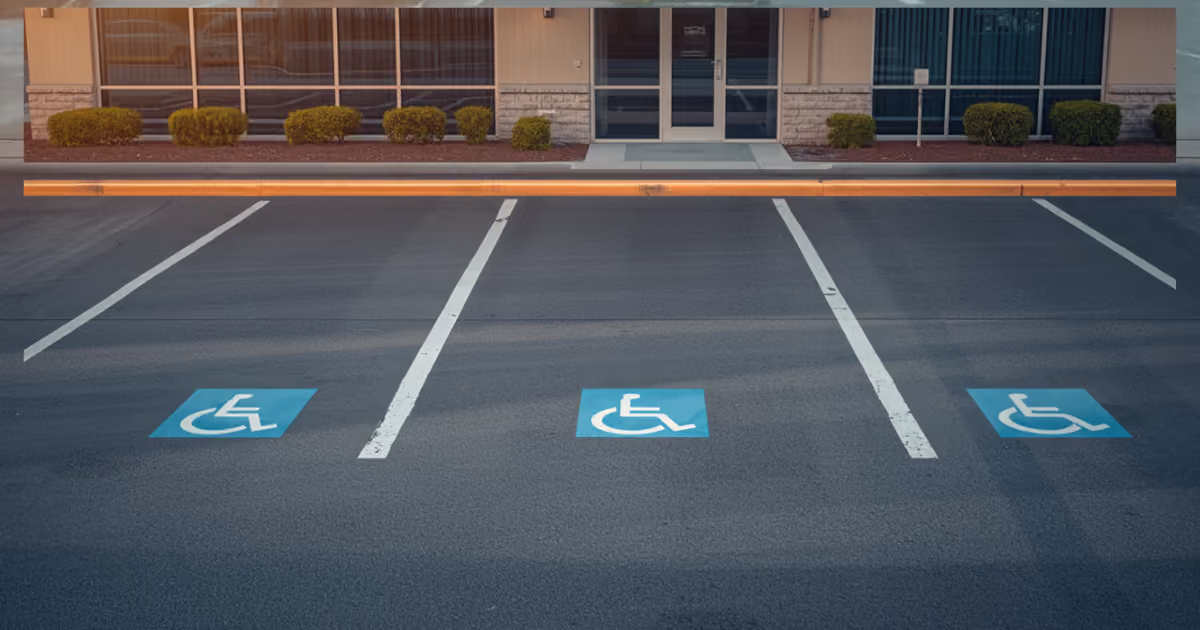
Under the Americans with Disabilities Act, people must be able to reach and use your space along an accessible path of travel: accessible parking, entrance, doors, hallways, restrooms, and the rooms where you serve patients. For a healthcare office, where many patients have mobility needs, this is both a legal requirement and a basic part of serving your patients well.
The part that surprises tenants is that a build-out can trigger path-of-travel upgrades beyond your own suite, like the building entrance, a shared restroom, or parking, sometimes at significant cost. Older buildings are where this bites hardest.
ADA path of travel is a real cost risk, especially in older buildings, because your build-out can trigger required upgrades outside your suite. For healthcare tenants it is also central to serving patients with mobility needs. Have accessibility reviewed before you sign, and negotiate who pays for any building-wide upgrades your project triggers.
A practice builds out a suite in an older Chicago building. The permit triggers a requirement to bring the shared entrance and restroom up to accessibility standards, adding 25,000 dollars that the tenant had not budgeted because the work was outside their own four walls.