

Chicago (Urban Core & Key Neighborhoods)
Tenant-only advisory for healthcare and service-based operators navigating Chicago’s urban core — where zoning, density, access, and long-term lease strategy directly impact performance.
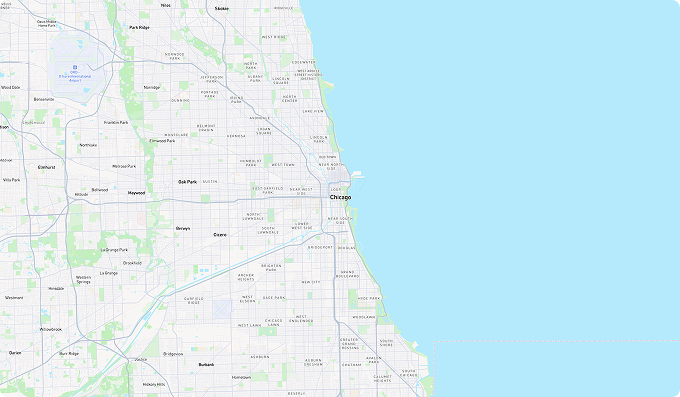
Chicago Market Overview
Chicago’s urban core offers high-density populations, established medical corridors, and strong demand drivers — but also requires careful navigation of zoning, parking requirements, and competitive lease structures.
Location decisions here must balance visibility, patient access, and long-term flexibility within complex urban submarkets.


FAQs about
Chicago (Urban Core & Key Neighborhoods)
Healthcare real estate advisors understand medical facilities, patient needs, and industry-specific requirements that general brokers may overlook.
Healthcare real estate differs significantly from traditional commercial real estate because medical practices have unique operational, regulatory, and patient experience requirements.
A healthcare-focused commercial real estate advisor understands factors such as specialized medical build-outs, patient accessibility, parking requirements, ADA compliance, practice workflow, referral patterns, and long-term growth planning. This industry expertise helps healthcare professionals identify properties that better support both clinical operations and financial goals.
Whether you’re buying, leasing, or selling a medical office building, working with an advisor who specializes in healthcare real estate can reduce risk, streamline negotiations, and improve long-term decision-making.
Yes. Many healthcare professionals purchase medical office buildings early, provided they meet financing requirements and have a strong business plan.
Yes. Purchasing a medical office building isn’t limited to long-established practices.
Many physicians, dentists, and other healthcare providers successfully purchase property early in their practice’s growth by securing appropriate financing and demonstrating a solid business plan. Lenders typically evaluate factors such as professional experience, projected revenue, available capital, credit history, and overall financial strength.
Buying early can provide long-term financial advantages, including building equity and avoiding future rent increases, although every situation should be evaluated individually.
Consider location, accessibility, financing, building condition, parking, zoning, operating costs, + future growth before purchasing a medical office building.
Purchasing a medical office building requires evaluating much more than the purchase price.
Healthcare professionals should consider the property’s location, patient accessibility, parking availability, zoning requirements, visibility, building condition, and future expansion potential. Financial factors such as financing terms, operating expenses, maintenance costs, and projected long-term ownership costs should also be carefully reviewed.
A comprehensive due diligence process helps identify potential risks and ensures the property aligns with both your current operational needs and future business objectives.
Most medical office building purchases take between 90 and 180 days, depending on financing, due diligence, negotiations, and closing.
Most medical office building acquisitions are completed within 90 to 180 days, although the timeline can vary depending on the complexity of the transaction.
The process typically begins with identifying suitable properties, followed by financing approval, negotiating the purchase agreement, completing inspections, conducting due diligence, and finalizing legal documentation before closing.
Working with experienced healthcare real estate professionals, lenders, and legal advisors can help keep the transaction moving efficiently while minimizing delays.
Medical office buildings can be financed through conventional commercial loans, SBA loans, or specialized healthcare lending programs.
Healthcare professionals may qualify for several financing solutions when purchasing a medical office building, including conventional commercial mortgages, SBA loans, and specialized healthcare lending programs.
The financing structure available to you will depend on factors such as your credit profile, business history, down payment, cash flow, and the characteristics of the property being purchased.
Working with experienced lenders and healthcare-focused commercial real estate advisors can help simplify the financing process and identify the most appropriate solution for your practice.
Buying and leasing each offer unique advantages depending on your practice’s goals and stage of growth.
Purchasing a medical office building allows you to build equity, gain greater control over your space, and potentially benefit from long-term property appreciation. Leasing, on the other hand, typically requires a lower upfront investment while offering greater flexibility to relocate or expand.
The right decision depends on factors such as available capital, financing options, expected growth, operational needs, and your long-term business strategy.
An owner-occupied medical office building is a commercial property owned and occupied by a healthcare practice rather than leased from a landlord.
An owner-occupied medical office building is a commercial property where a healthcare practice owns and occupies a significant portion of the building instead of leasing space from a third-party landlord.
This ownership model allows physicians, dentists, and other healthcare professionals to build long-term equity while maintaining greater control over their facility. Owners also have the flexibility to customize their space, reduce long-term occupancy uncertainty, and potentially benefit from property appreciation over time.
Whether ownership is the right strategy depends on your financial goals, available capital, financing options, and long-term practice plans.
Yes. Our buyer representation covers acquisition analysis, lease-versus-buy evaluation, financing structure, and negotiation on your behalf.
Yes. We analyze zoning, access, density, parking, and long-term viability across Chicago's urban core and key neighborhoods before you commit.
Yes. We negotiate TI allowances, delivery conditions, and termination rights, and coordinate buildout planning to reduce your capital exposure.
No. We do not represent landlords, list properties, or receive incentives tied to landlord outcomes.
This ensures our recommendations are unbiased and tenant-focused.
%201.svg)


%201.svg)