%201.svg)
Warm Shell vs. Cold Shell
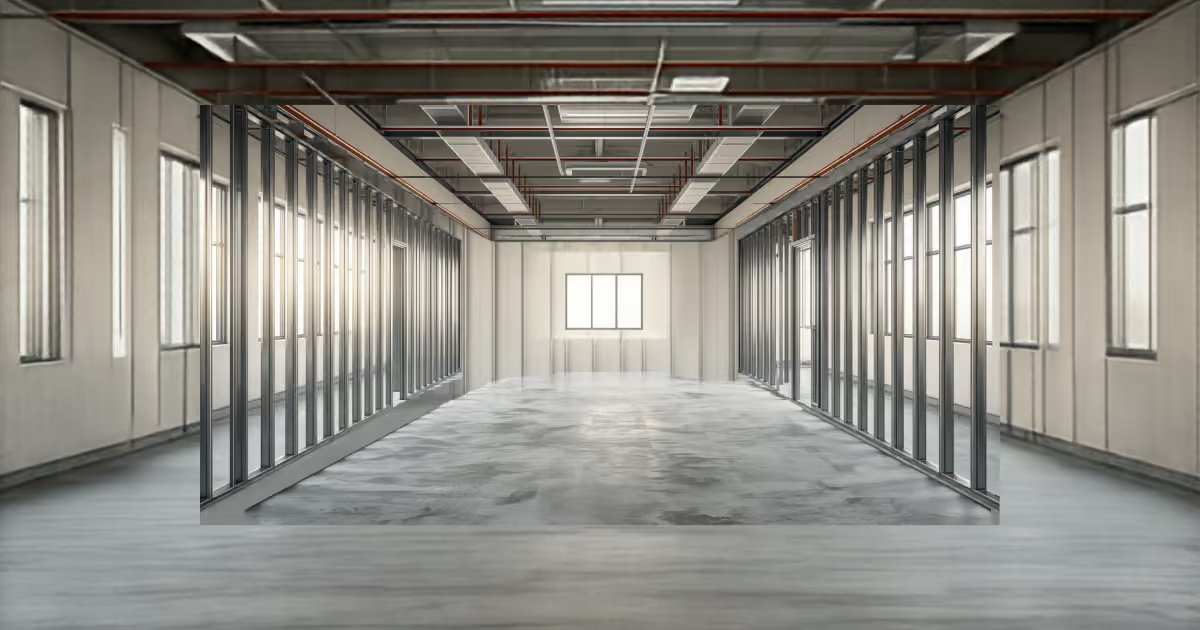
Both are unfinished space, but the gap between them is big. A cold shell is close to bare: structure, exterior, and maybe a utility stub, with no heating, cooling, distributed power, or restrooms. A warm shell is further along, usually including HVAC, electrical service into the space, and often restrooms, so the space is conditioned and ready for interior work.
For a healthcare tenant, that difference is money and time. Starting from a cold shell means paying for and installing the rooftop unit, the main electrical, and the plumbing core before you even begin the parts specific to your practice.
When you compare spaces, the shell type can matter more than the rent. A cheaper cold shell can easily cost you more once you add the HVAC, power, and plumbing a warm shell already has. Ask which one you are being offered, and price the build-out gap before you decide.
A dental startup compares two suburban suites. The warm shell has a rooftop HVAC unit, electrical service, and two restrooms already in. The cold shell has none, adding roughly 70,000 dollars and several weeks to the build-out. The warm shell's slightly higher rent turns out to be the cheaper deal overall.